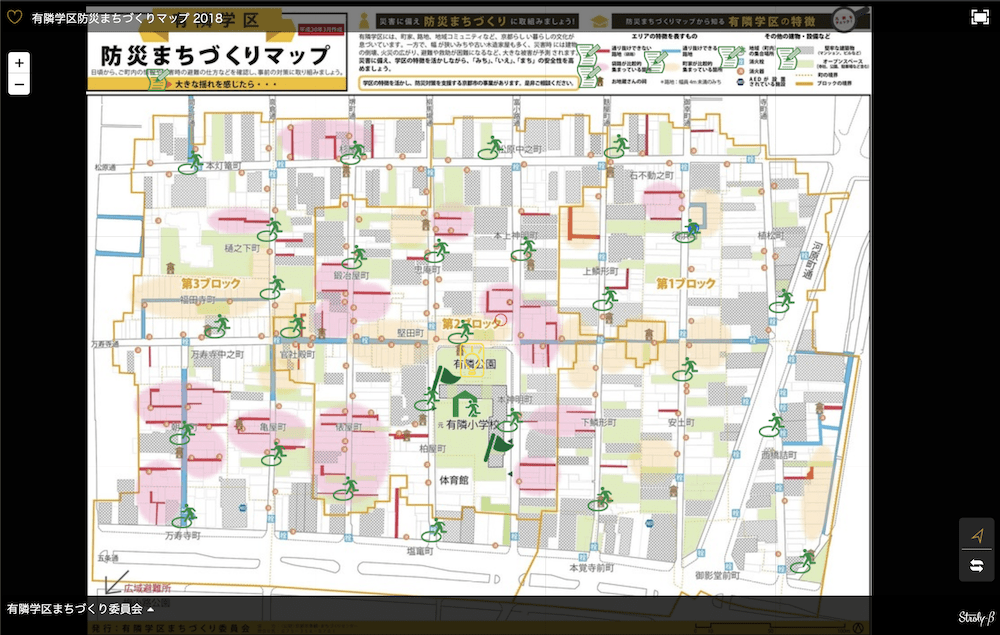
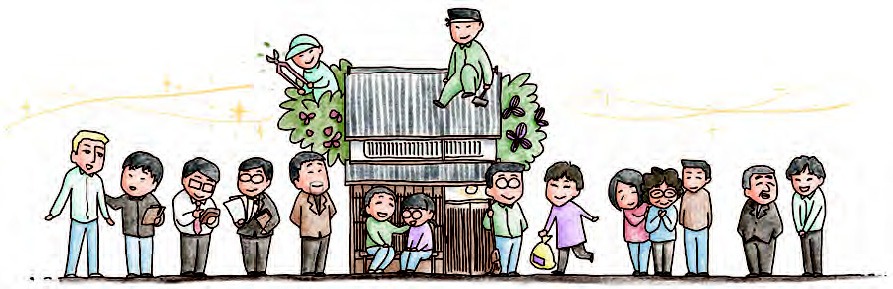
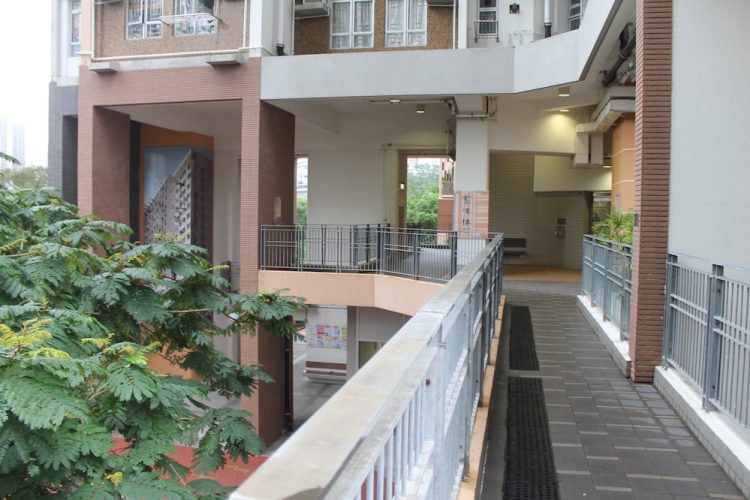
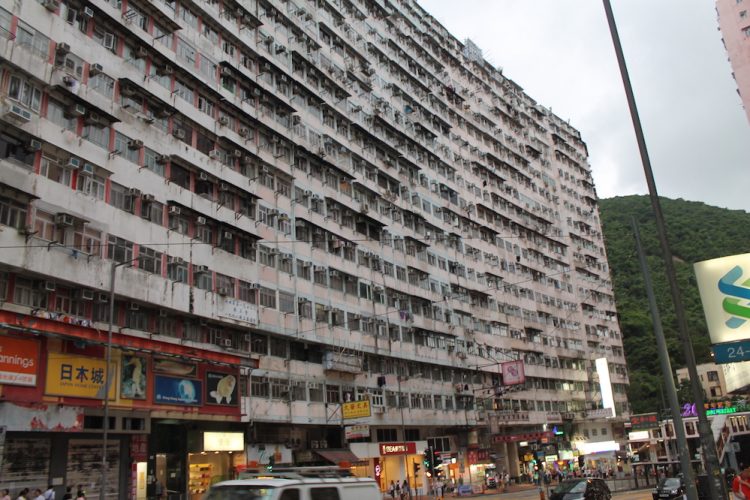
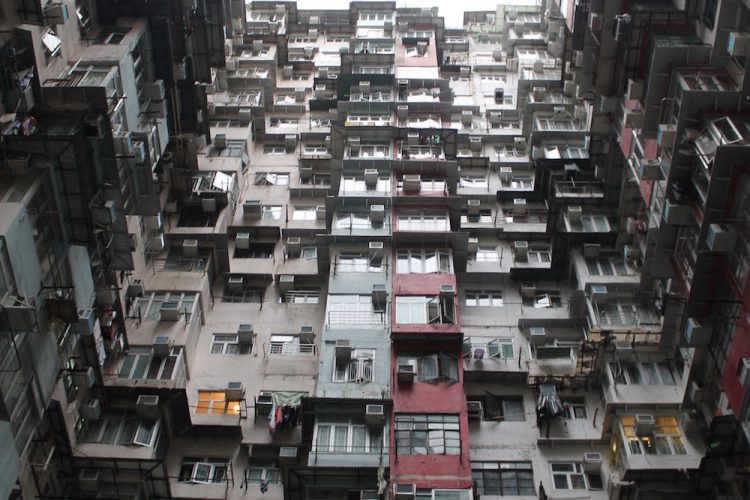
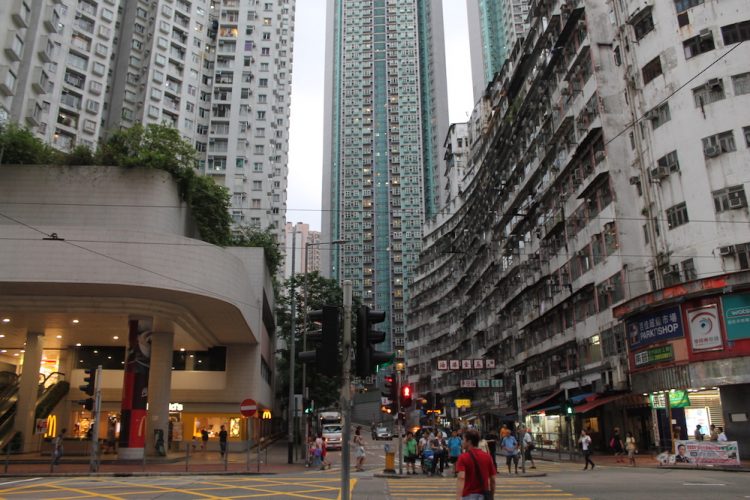
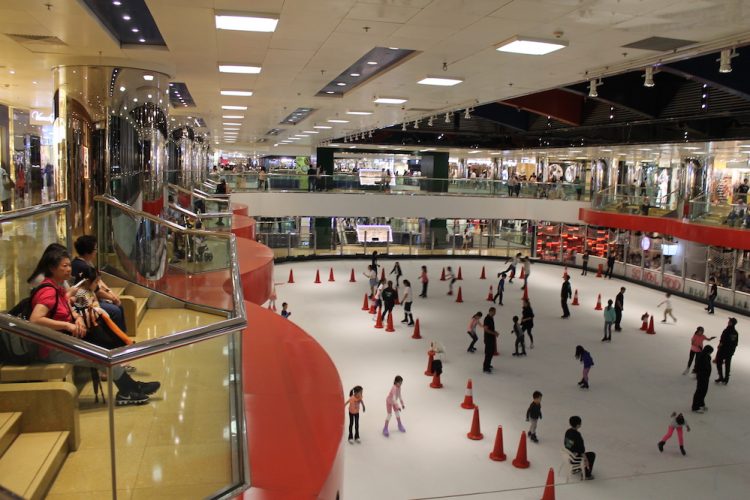
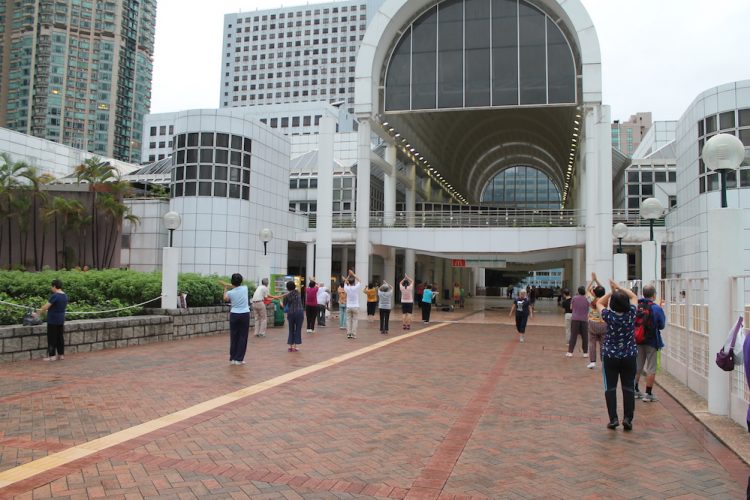
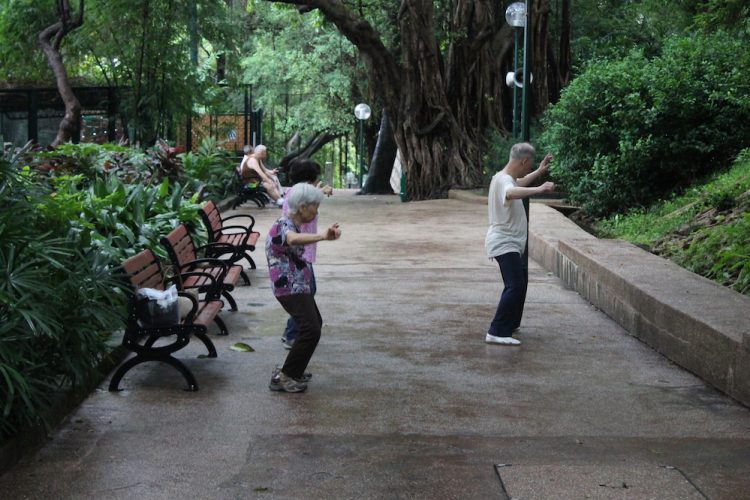
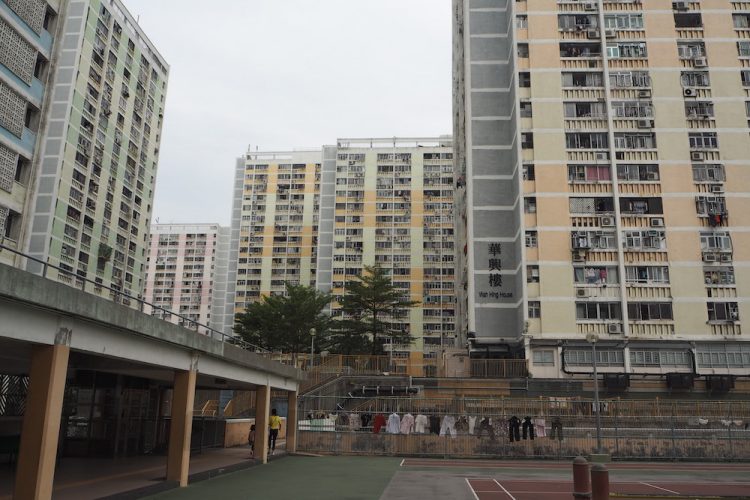
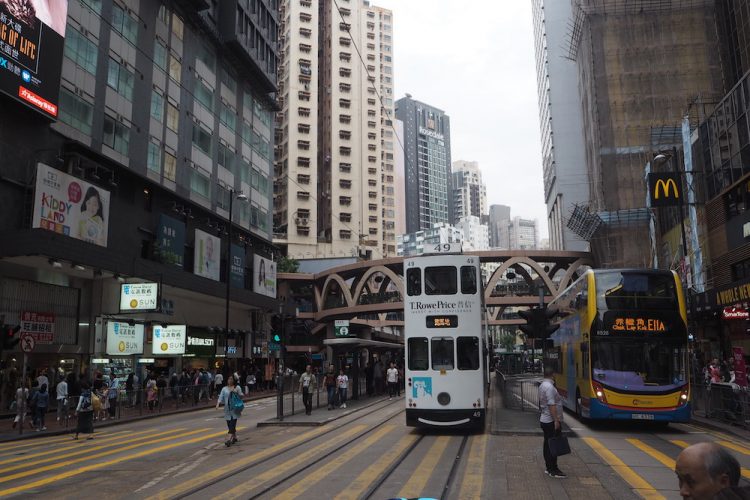
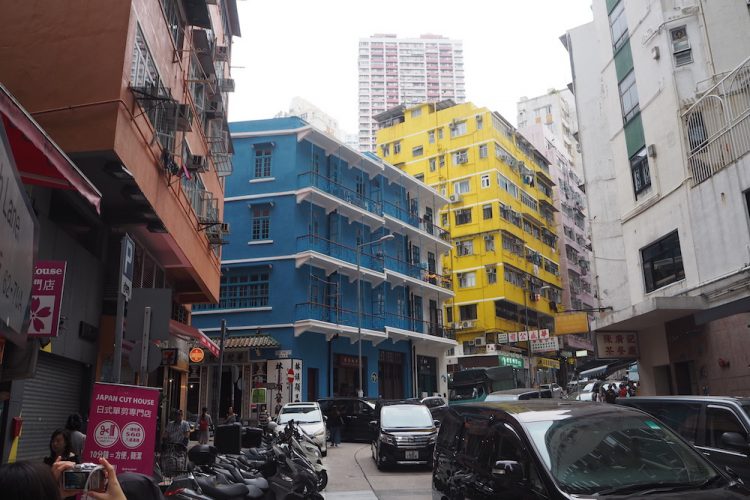
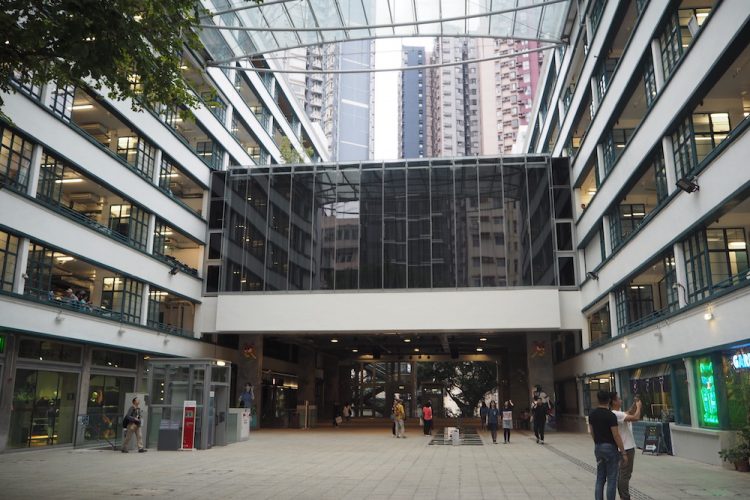
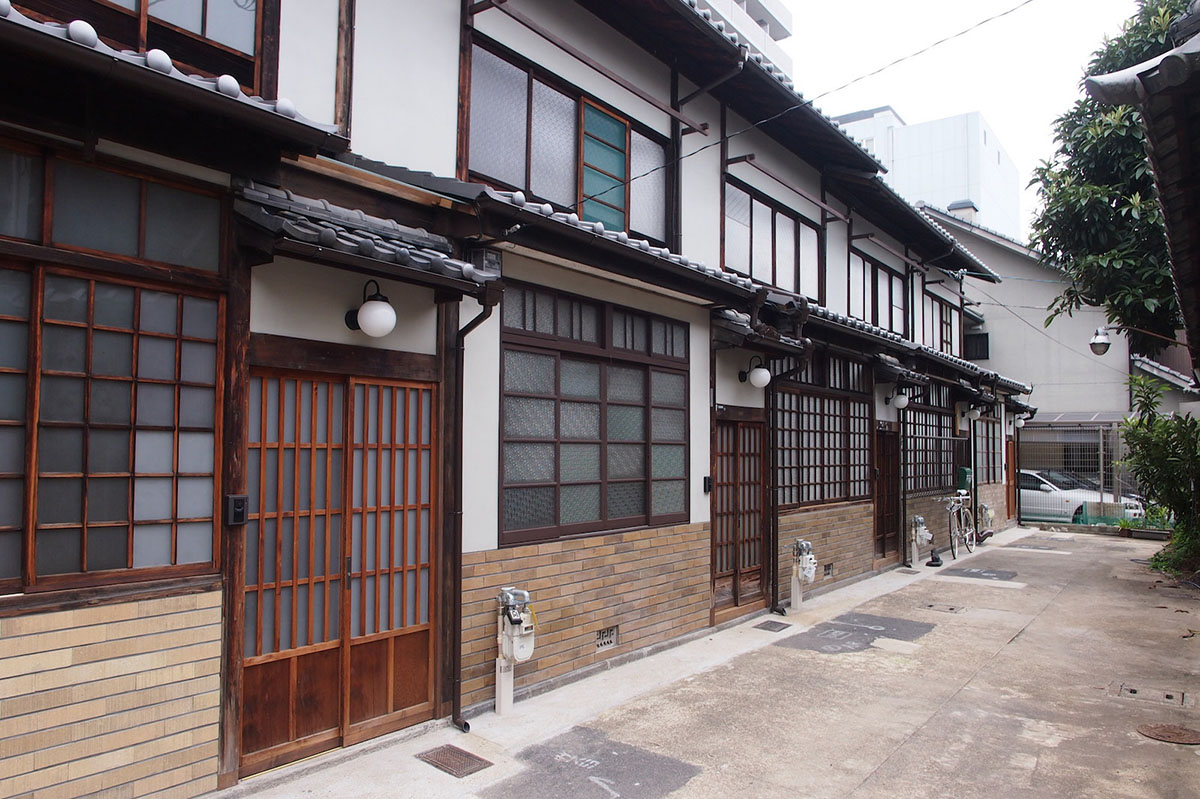
The area called “dense urban area” in urban planning retains the architecture and space from the modern age, and conveys the life culture of the city to the present day with the people living there. However, in recent years, dense urban areas are often regarded as targets for renewal due to their vulnerability to disasters. In Yurin school districts, Shimogyo-ku, Kyoto City, members of the “Machi-zukuri Committee”, which is composed mainly of residents, investigate the distribution of resources such as kyo-machiya, alleys, Jizo-bon and the location of evacuation facilities/equipment, and visualized them as community disaster mitigation map. The map is the first step to promote a community development that balances the “life culture” and “disaster safety” of the often conflicting dense urban areas. In addition to the paper version of the map, it can be viewed and edited on the network by linking with stlory (the online sharing platform for the original map), which is also used in community disaster mitigation training.
Social mobility and uncertainty surrounding local communities are increasing in the contemporary societies. “Resettlement society” means societies with social support for people who lost stable dwelling as unexpected reasons and intend to restore their stable conditions. Toward realization of the resettlement society, it is necessary to promote research and practice on dwelling design exploring equilibrium points beyond social conflicts and housing policy considering locality and dynamics of housing system.
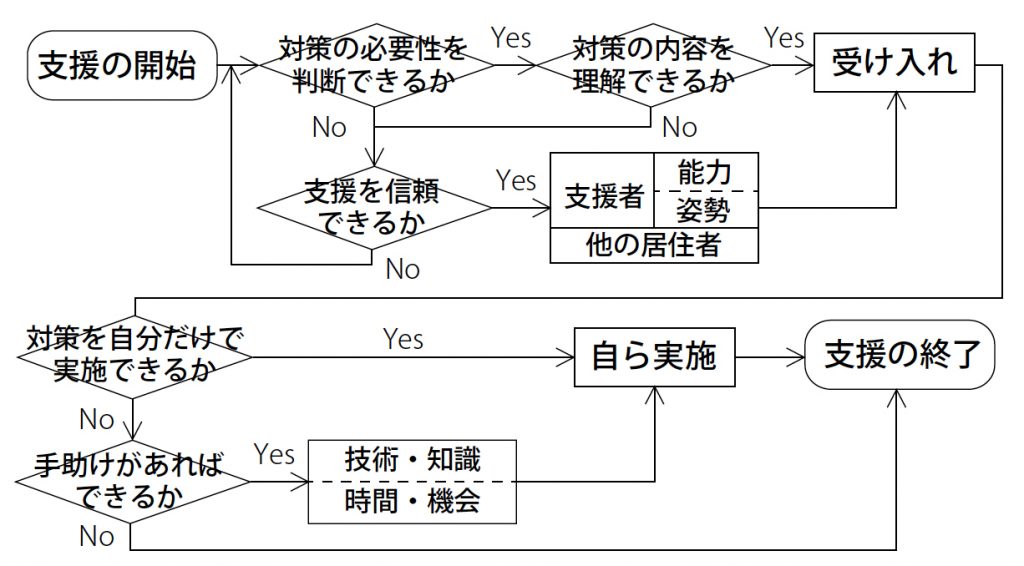
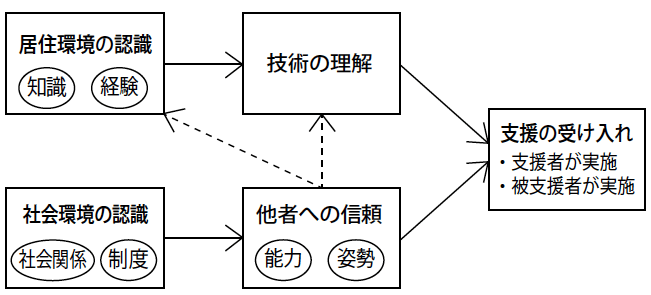
This paper examined the factors affecting residents’ acceptance of the support based on the action research on support for improvement of temporary house and environment after the Great East Japan Earthquake of 2011. Some residents accept because they understood the problems and technology with their knowledge or experience. However, other many residents couldn’t understand them enough and depend their decision on “trust” to others. When they build trust, their expectation for ability of supporters as experts is lower than attitude of supporters as volunteers and residents understand supports better after acceptance of them and are more actively involved through their continuous involvement.
Masahiro Maeda et.al : The effect of micro credit on life restoration and community formation in resettlement households affected by the tsunami
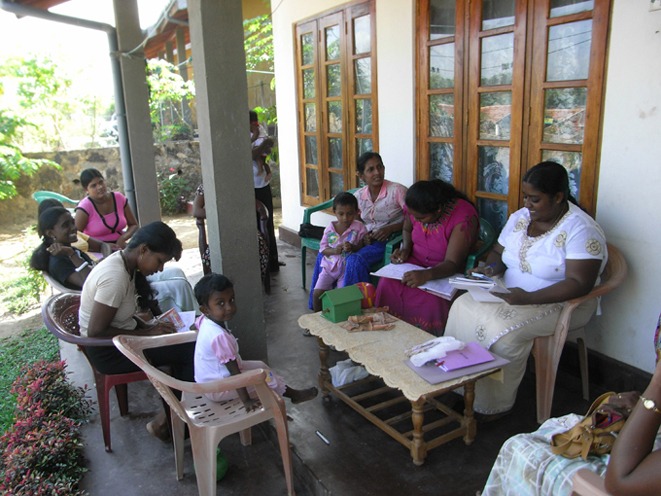
This paper analyzed the effect of micro credits in resettlement sites from the perspectives of the NGO staff and residents who participated in micro credit groups. The results are listed below. (i) Micro credits have economic effects for reconstructing life by providing loans for economic activities in resettlement sites in which economic activities are difficult due to the geographical and spatial features. (ii) Micro credits have social effects on community formations through micro credit activity and reorganizing household relationships in resettlement sites. NGO staff and residents organized micro credit groups through neighborhood and family/relative relationships, which succeeded from a previous settlement. Moreover, they created new relationships in addition to these existing relationships. (iii) These results show that micro credits may be a method for sustainable residence in resettlement sites that arise after natural disasters.
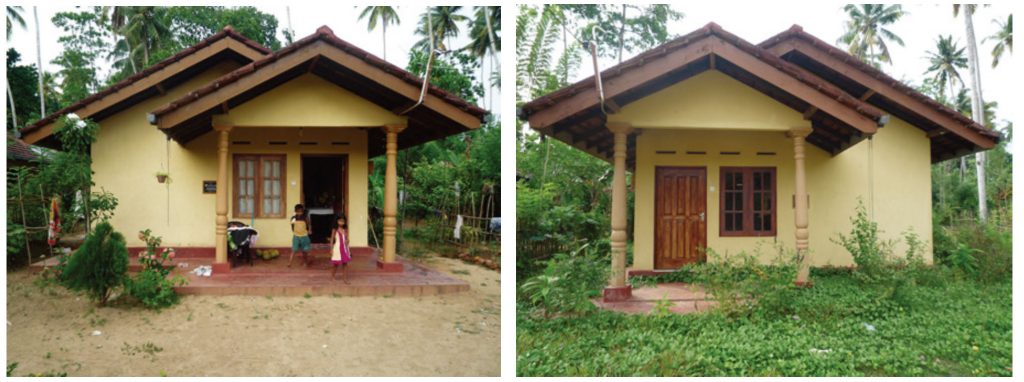
Sri Lanka is world-famous for Ceylon tea, the export amount of which was used to be the first of the world. However, the people who support the tea as labor are not well-known to the world. They are Tamil people, immigrants from South India, who are neither British people nor Sri Lankan people. The aim of this project is to revitalize a village, Bawlana village, where Tamil people have been living for 130 years, through support from architecture because they have been marginalized and poor after tea plantation here got closed about 30 years ago. We have regenerated a row house called “line house” in Bawlana. Although 1/3 of it used to be lost before the construction, it becomes a base of local tourism the attractive points of which are the history, the culture and the nature of Bawlana. Line houses in Bawlana consist of characteristic elements which are derived from 3 countries related to tea plantation. They are steel frames made in Britain 130 years ago, local granite and veranda space often seen in houses of Sri Lanka, and floor covered with cowpat closely connected with a ceremony of Hinduism from India. We planed the regeneration by two methods, namely, restoring parts of the original house and recomposing the characteristic elements so that the composition of it becomes seen more clearly. Line houses in the former tea plantation area are often regarded as “negative heritage” in Sri Lanka. However, if the history of Bawlana and Tamil’s life and culture are appraised by various viewpoints, it will be power of drawing the future of Bawlana. We believe that this regeneration will make a chance of it and this regenerated line house will be a place where a new history of Bawlana will be born.
This paper examined actual condition of management of Jizo-bon in the central area of Kyoto-city and analyzed component of participants of Jizo-bon. As the result, we clarified people (ex. apartment residents) who tend to be unfamiliar with community activities also join in Jizo-bon. This result means that Jizo-bon play a role in the creation of a resilient community in terms of improving the “diversity” of community members which is one of the basic characteristics of resilient communities. In addition, we considered about the reason why Jizo-bon play a rore described as above. We pointed out that Jizo-bon has “flexibility” from view of selectivity of events, number of participants and place corresponded to the situation of each communities. These results suggest that community resources like Jizo-bon which has experienced change in the long time and succeeded as “the core” of community is meaningful in local community management in the era of uncertainty.
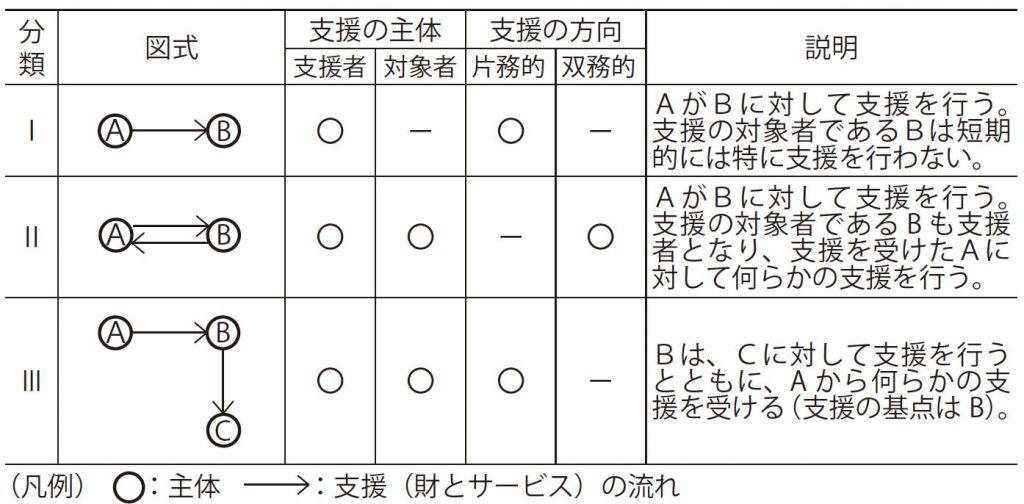
We have conducted an action research on improvement of residential environment in temporary housing after the Great East Japan Earthquake of 2011 through the case of Motoyoshi, Kesennuma-city. This paper tried to clarify the factors why we could realize the support for residents of temporary housing although we had only limited resource and weak relationship with local actors or other supporters before the disaster. We analyzed realization process of our support from the view of “indirect support” (support for supporters) and the results are shown as follows. 1. “Indirect support” which doesn’t fix the relationship between supplier and recipient of support is efficient. The support is realized by the relationships which are created among supporters or between supporters and residents after the disasters. 2. Improvement planning of residential environment based on appropriate technology (preparation for hot and cold climate) is important. The planning should be acceptable for not only individual residents but for residents’ community and other supporters.
Rural and urban sustainability governance (Multilevel Environmental Governance for Sustainable Development),United Nations University Press, 2014
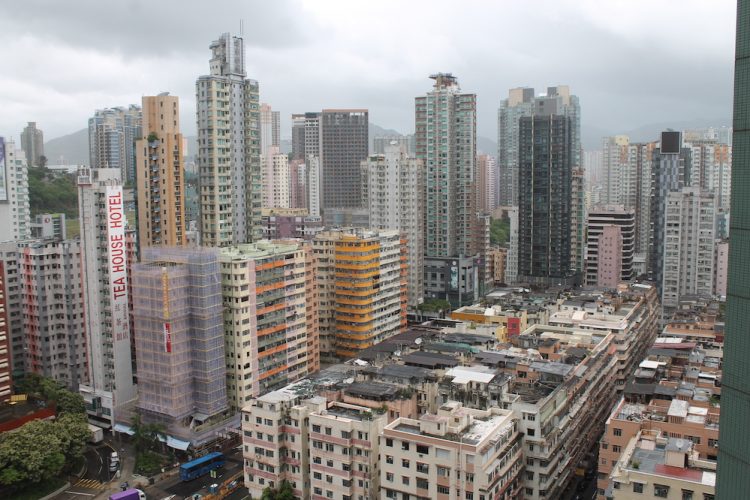
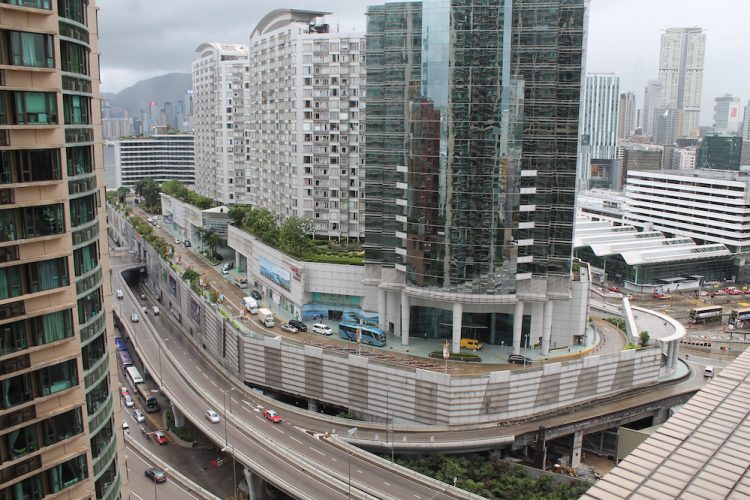
The rural and urban communities have a distinct structure, function and dynamism, which provide us with livelihood and define our lives through our various daily activities. Circumstances surrounding the rural and urban communities are increasingly changing, such as with the rapid development towards globalization, and consequently the number of challenges needing solutions seems to be ever on the increase.
The focus of this book is on the rural and urban environments, and the wide-ranging representations of various players’ interacting activities that preserve or destroy these environments. The key issues contemporary to the rural and urban communities include appropriate overall environmental governance involving collaboration and competition among different actors, preservation or creation of a rich and lively living environment, and a search for ways to ensure the inheritance of our greatest assets for following generations.
This book attempts to elucidate the following issues: how we may use rural and urban sustainability as beacons for taking relevant and necessary policy measures and for community activities, and how to further ameliorate such measures and activities. The question of rural and urban sustainability is both specific and rich in context, and offers excellent cases for extracting the essence of multi-layered environmental governance. This volume presents current key academic findings, while also considering interactions between humans and nature, such as local resource management through the commons, and rural–urban interdependence.
This study explored support method for victims of the Great East Japan Earthquake of 2011 based on experience of support activity for improvement of housing environment in temporary houses and examined reasons which realized the activity despite of limited resources. 1) Relationships of “support for supporters” was created based on sharing aid information among various support actors in the process of exploring correspondence to problems which cannot be solved by each actors. 2) “Trust” for others (supporters/other residents) are fostered and utilized in the process of decision-making under the uncertain situation.